

Introduction To Styrene Butadiene Latex And Its Difference From Methyl And Ethyl Butadiene Latex
Mar 29, 2024

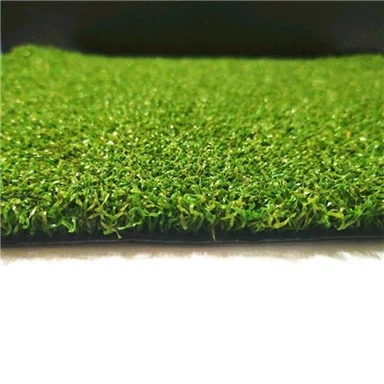
Styrene butadiene latex (SBR) is a type of synthetic rubber that is produced by the copolymerization of butadiene and styrene. It is widely used in various industries, including construction, automotive, and paper manufacturing, among others. SBR latex is known for its excellent adhesive properties and good mechanical strength, making it an ideal material for use in backcoating of artificial grass.
Methyl and ethyl butadiene latex are types of synthetic rubber that are produced from the copolymerization of butadiene with either methyl or ethyl acrylate. They have properties similar to SBR, but with slight differences in their chemical structure, which affects their adhesive and mechanical properties.
Advantages of SBR Latex
SBR latex is a superior material for use as a backcoating in the manufacture of artificial grass. It offers several advantages, including:
1. Excellent Adhesive Properties: SBR latex has excellent adhesive properties that allow it to bond well with the artificial fibers of the grass, leading to a stable, long-lasting bond.
2. Good Mechanical Strength: SBR latex provides good mechanical strength to the backcoating, which helps to resist tearing and damage, even under harsh conditions.
3. Resistance to Weather and UV Exposure: SBR latex is resistant to weather conditions, including temperature changes and UV exposure. This means that the backcoating can withstand exposure to sunlight for extended periods, without losing its strength or adhesiveness.
4. Environmentally Friendly: SBR latex is an environmentally friendly material as it is produced from renewable resources and is 100% recyclable.
Difference between SBR, Methyl, and Ethyl Butadiene Latex
The main difference between SBR, methyl, and ethyl butadiene latex lies in their chemical structure. SBR latex is produced by the copolymerization of styrene and butadiene, while methyl and ethyl butadiene latex are produced by the copolymerization of butadiene with either methyl or ethyl acrylate.
Methyl and ethyl butadiene latex generally have lower glass transition temperatures (Tg) than SBR latex, which affects their adhesive properties, mechanical strength, and resistance to weather. SBR latex has a higher Tg, which gives it better adhesive and mechanical properties, and resistance to weather.
Conclusion
At our factory, we produce high-quality artificial grass, with the backcoating made of SBR latex. This not only makes our products environmentally friendly, but also ensures that they have excellent adhesive properties, good mechanical strength, and resistance to weather, making them a popular choice for use in residential and commercial applications.