

Why Modular Synthetic Vertical Green Walls Outperform Living Plant Facades
Jun 30, 2026

1. Stable Modular Structure & Fast Installation
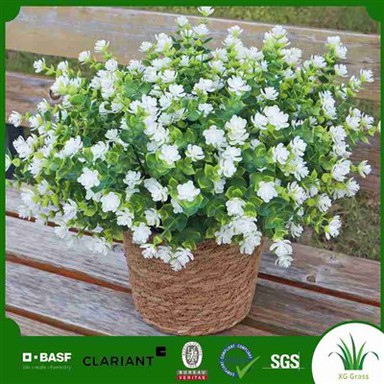
Modular artificial green wall panels use lightweight prefabricated frames with standardized splicing systems, enabling fast installation and consistent commercial finishing.
Unlike living green walls, which depend on soil or hydroponic systems, artificial systems avoid risks such as root overgrowth, wall damage, and waterproof layer failure. They are ideal for high-rise buildings and large-scale commercial projects requiring stable, uniform results.
2. Low Maintenance & Higher Cost Efficiency
Living green walls require continuous watering, pruning, fertilizing, and pest control, leading to high long-term operational costs.
In contrast, artificial green walls require no irrigation or daily maintenance. With UV-resistant and fade-resistant materials, they only need occasional cleaning, reducing maintenance costs by over 85% and significantly improving project ROI.
3. All-Weather Durability & Year-Round Appearance
Natural plant walls are highly affected by climate, sunlight, and ventilation conditions, often resulting in wilting or discoloration.
Modular synthetic green walls are designed with UV protection and waterproof treatment, performing reliably in temperatures from -30°C to 60°C. They maintain consistent color, texture, and 3D visual appeal throughout the year, suitable for both indoor and outdoor applications.

4. Flexible Applications Across All Scenarios
Living plant walls are limited by weight load, lighting conditions, and hygiene requirements, making them unsuitable for many commercial environments.
Artificial vertical green walls are lightweight, soil-free, and insect-free, making them suitable for malls, offices, schools, hospitals, hotels, and high-rise facades. Their modular design allows flexible customization and fast installation in any space.
5. Eco-Friendly & Sustainable Benefits
Premium artificial green wall systems are made from non-toxic, recyclable materials and comply with modern green building standards.
They eliminate water and fertilizer consumption required by living plants, reducing long-term environmental impact. Additionally, they provide insulation, UV protection, and help reduce urban heat effects, offering stable, long-lasting eco benefits.