

Policy incentives fuel a surge in demand for artificial turf as Ethiopia upgrades its sports infrastructure.
May 25, 2026

In recent years, the Ethiopian government has vigorously promoted urban renewal and sports-related public welfare projects, incorporating public sports facilities, school infrastructure, and urban park construction into its national development plans. It has continuously increased investment in infrastructure and comprehensively promoted the standardization and upgrading of sports venues nationwide.
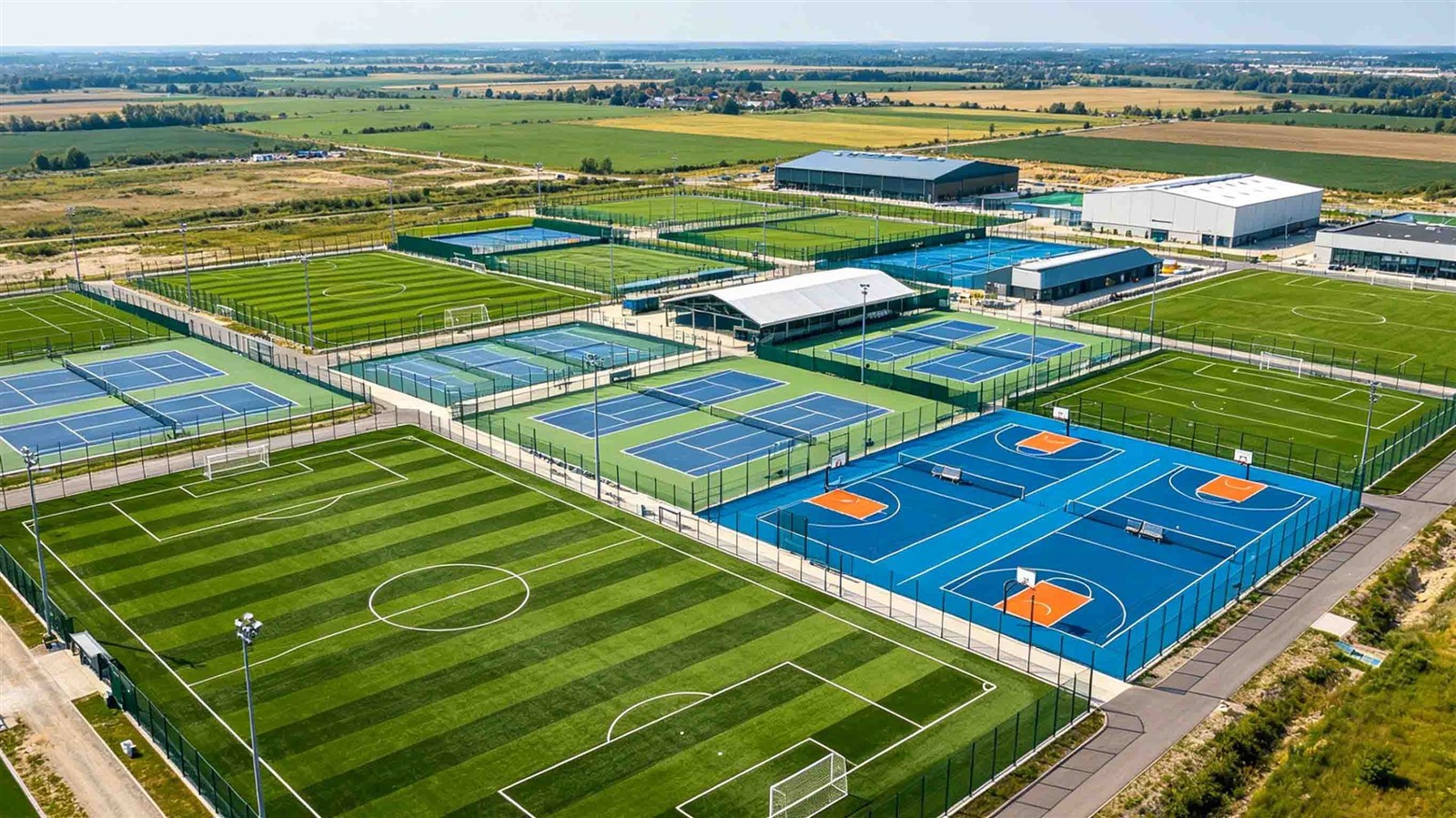
Compared to traditional natural turf, artificial turf perfectly suits the pace of urban development in Ethiopia, completely solving the core problems of natural turf, such as difficult maintenance, low survival rate, and insufficient site utilization. It has become the preferred material for local infrastructure projects. Currently, a large-scale renovation and construction wave is underway in municipal parks, primary and secondary schools, professional sports clubs, and community sports fields across Ethiopia's states, continuously releasing market demand. At the same time, the number of local artificial turf manufacturers is scarce, and production capacity is severely insufficient. High-end, wear-resistant, and anti-aging artificial turf is entirely dependent on imports, leaving a huge market gap.
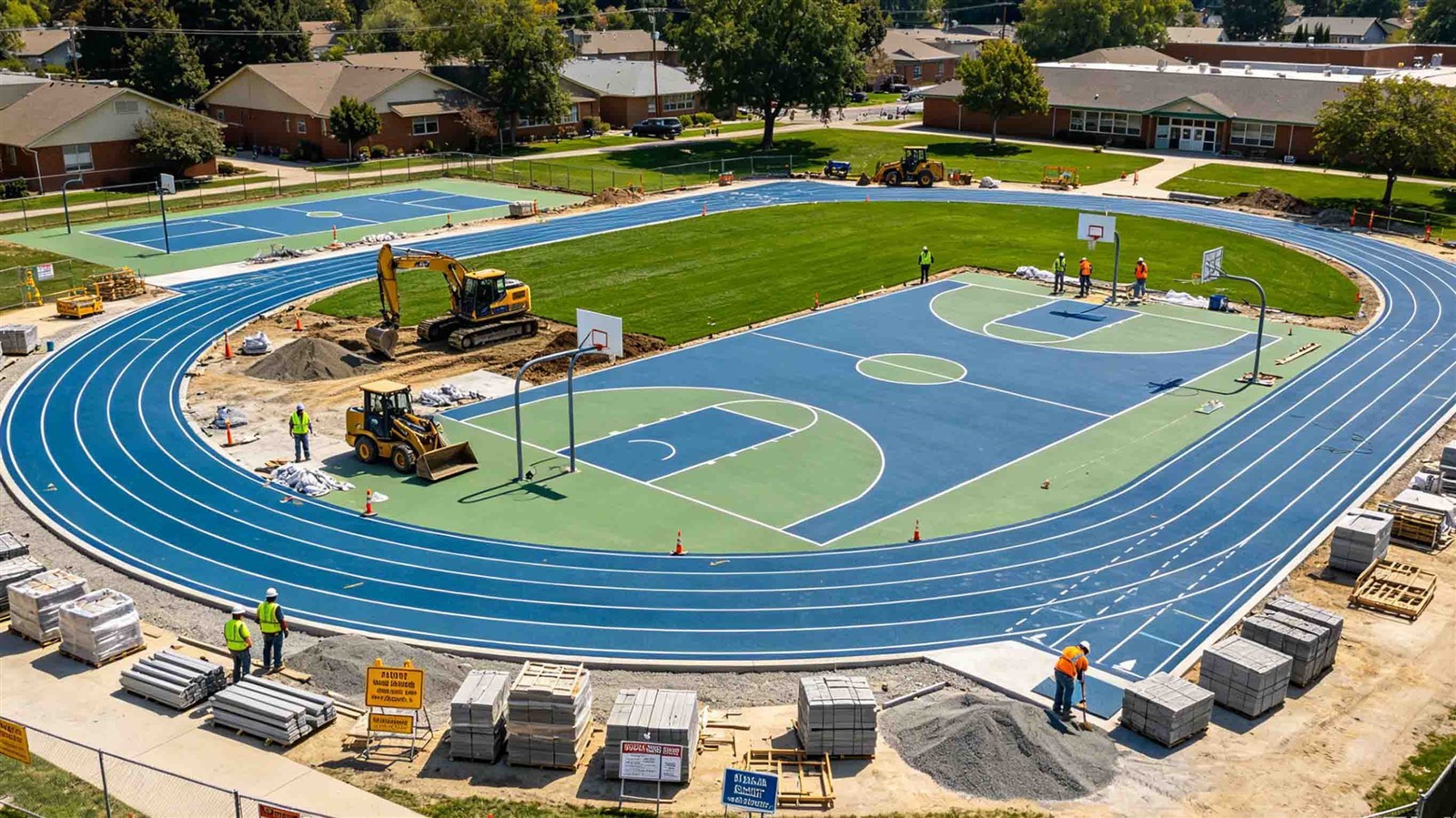
For foreign trade suppliers, relying on mature domestic production processes, cost-effective products, and a well-established supply system, they can quickly seize the incremental market in Ethiopia, take advantage of local policy benefits, cultivate the East African artificial turf market in the long term, and obtain stable order revenue and market share.


